How to Choose a Reliable Custom Gear Manufacturer in China
Gears are essential components in modern mechanical transmission systems. From industrial machinery and automotive equipment to agricultural machines, automation systems, and power transmission equipment, gears play a critical role in transferring motion, controlling speed, and transmitting torque.
Products – Changzhou Qiming Precision Machinery Co., Ltd
However, sourcing custom gears is not simply about finding a factory that can manufacture a component according to a drawing. Overseas buyers also need to consider machining capabilities, material selection, dimensional accuracy, quality inspection, production consistency, and communication efficiency.

China has become an important sourcing destination for industrial components and custom machining services. Nevertheless, not every gear supplier offers the same manufacturing capabilities or quality standards.
So, how can you choose a reliable custom gear manufacturer in China?
This guide explains seven important factors international buyers should evaluate before selecting a manufacturing partner. Whether you need custom spur gears, helical gears, precision transmission components, or OEM gear manufacturing services, these considerations can help you make a more informed sourcing decision.
1. Evaluate the Manufacturer’s Gear Manufacturing Capabilities
The first step is to understand what a manufacturer can actually produce.
Different gear applications require different designs, machining processes, and manufacturing capabilities. A supplier specializing in general CNC machining may not necessarily have the specialized equipment required for every type of gear.
Before requesting a quotation, determine whether the manufacturer has experience with your required gear design and specifications.
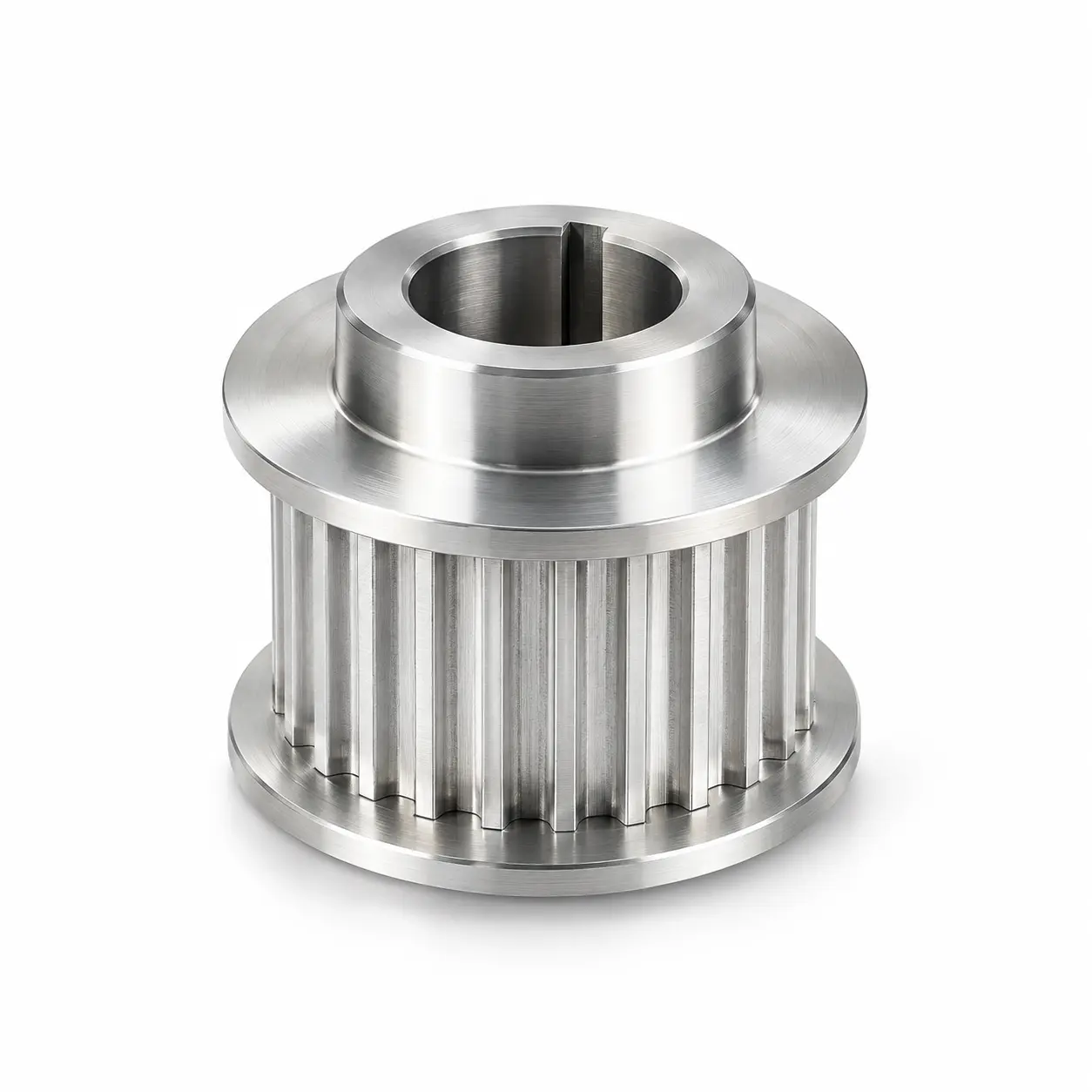
Common industrial gear types include:
| Gear Type | Main Characteristics | Typical Applications |
|---|---|---|
| Spur Gears | Straight teeth and relatively simple structure | Industrial machinery and mechanical drives |
| Helical Gears | Angled teeth for smoother engagement | Gearboxes and automotive transmission systems |
| Bevel Gears | Designed to transmit motion between intersecting shafts | Power transmission equipment |
| Worm Gears | Used for high reduction ratios between non-parallel shafts | Lifting equipment and industrial drives |
| Custom Transmission Gears | Manufactured according to specific drawings and requirements | OEM machinery and specialized equipment |
When evaluating a custom gear manufacturer, ask about its experience with your specific gear type, production processes, available machinery, and inspection methods.
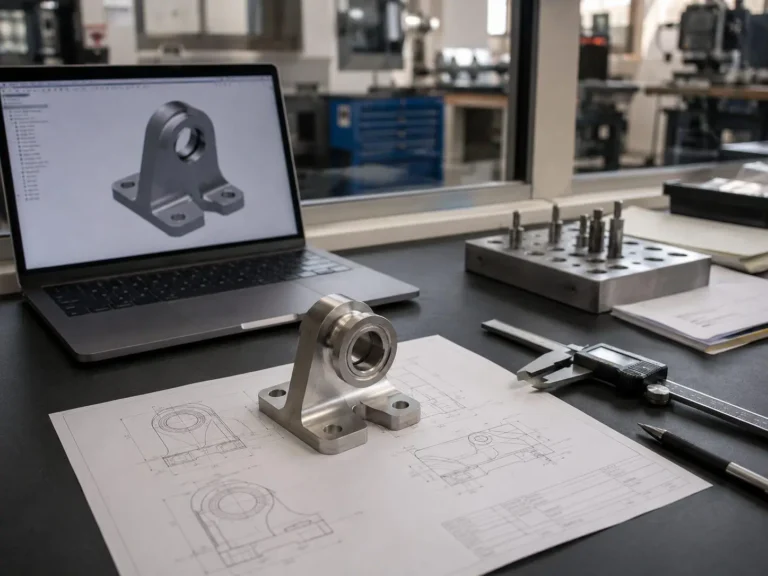
A reliable supplier should be able to review your technical drawings and discuss manufacturing requirements before confirming a quotation.
At Changzhou Qiming Precision Machinery, our product and manufacturing focus includes gears, gear reducers, bearings, transmission components, and custom mechanical parts processing. We work with industrial component requirements and support discussions around drawing-based manufacturing projects.
2. Check Material Selection and Manufacturing Knowledge
Material selection directly affects gear strength, wear resistance, durability, and operating performance.
Choosing the wrong material can result in premature wear, excessive deformation, or even gear failure under working loads.
The appropriate material depends on several factors, including transmitted torque, operating speed, working temperature, lubrication conditions, and environmental exposure.
Common materials used in gear manufacturing include:
| Material | Key Properties | Common Applications |
|---|---|---|
| Carbon Steel | Good mechanical strength and machinability | General industrial gears |
| Alloy Steel | Improved strength and potential for heat treatment | Heavy-duty transmission components |
| Stainless Steel | Corrosion resistance | Food processing and corrosive environments |
| Brass | Good machinability and corrosion resistance | Light-duty mechanical components |
| Engineering Plastics | Lightweight and relatively quiet operation | Low-load machinery and specialized applications |
For example, alloy steel may be suitable for gears exposed to relatively high mechanical loads, while stainless steel may be more appropriate for applications requiring corrosion resistance.
However, material selection should never be based on material names alone.
Buyers should also confirm the material grade, mechanical properties, heat treatment requirements, and relevant material certificates when necessary.
A professional gear manufacturing partner should be able to review these requirements and identify potential manufacturing considerations before production begins.
3. Understand Gear Accuracy and Manufacturing Tolerances
Gear accuracy is one of the most important factors affecting transmission performance.
Dimensional deviations, tooth profile errors, pitch errors, and excessive runout can contribute to noise, vibration, uneven loading, and premature wear.
When sourcing precision gears, buyers should pay attention to the following parameters:
- Tooth profile deviation
- Tooth lead deviation
- Single and cumulative pitch deviations
- Radial runout
- Tooth thickness
- Backlash
- Surface finish
One internationally recognized reference is ISO 1328-1:2013, which establishes a tolerance classification system for the flanks of individual cylindrical involute gears.
An important technical detail is that this standard defines 11 flank tolerance classes, numbered from 1 to 11, with increasing tolerance values.
This means that Class 1 represents tighter tolerances than Class 11 within the standard’s classification system.
However, a tighter tolerance is not automatically necessary for every application. The appropriate accuracy level depends on the actual operating requirements, gear design, and assembly conditions.
When requesting a quotation, provide the required accuracy grade or clearly identify the applicable tolerances on your engineering drawings.
Do not simply ask a supplier whether it produces high-precision gears. Ask how the required accuracy will be verified and documented.
4. Examine Quality Control and Inspection Procedures
A reliable gear supplier should have a clear quality control process rather than relying only on visual inspection.
Quality assurance should begin with incoming material verification and continue through manufacturing, dimensional inspection, and final product evaluation.
Depending on the product and contractual requirements, important inspection activities may include:
| Inspection Stage | What Should Be Checked | Why It Matters |
|---|---|---|
| Raw Material Inspection | Material grade and certificates | Confirms material requirements |
| Initial Production Inspection | Key dimensions and machining conditions | Identifies early manufacturing issues |
| Dimensional Inspection | Diameter, thickness, bore, and other dimensions | Verifies drawing compliance |
| Gear Tooth Inspection | Tooth profile, pitch, lead, and runout | Evaluates gear geometry |
| Final Inspection | Appearance, quantity, and specified dimensions | Confirms order requirements |
| Documentation Review | Inspection reports and material records | Supports traceability and acceptance |
For demanding applications, buyers may also request measurement reports, material certificates, or other quality documentation.
ISO 1328-1 provides a common reference for gear flank tolerance classification, while ISO 6336 provides calculation methods for evaluating the load capacity of cylindrical spur and helical gears.
Importantly, ISO 6336 is an engineering calculation framework, not a substitute for actual manufacturing inspection or a guarantee of assembled gearbox performance.
Before placing an order, make sure the manufacturer understands your inspection requirements and can confirm which measurements and documents will be provided.
5. Evaluate Customization and OEM Manufacturing Services

Many overseas buyers do not need standard off-the-shelf gears. They need components designed for a specific machine, transmission system, or industrial application.
This is where custom gear manufacturing becomes particularly important.
A capable OEM manufacturing partner should be able to evaluate customer drawings, technical specifications, material requirements, and production quantities.
Before choosing a supplier, confirm whether it can support:
- Custom gear dimensions and tooth configurations
- Drawing-based manufacturing
- Material selection according to application requirements
- Custom machining of related mechanical components
- Prototype evaluation and production planning
- OEM manufacturing according to agreed specifications
When submitting a custom gear inquiry, provide as much technical information as possible.
Recommended information includes:
| Information | Example or Description |
|---|---|
| Engineering Drawing | 2D PDF, DWG, or 3D STEP file |
| Gear Type | Spur, helical, bevel, worm, or other design |
| Material | Specified steel, stainless steel, brass, etc. |
| Module | Gear module, if applicable |
| Number of Teeth | Required tooth count |
| Dimensions | Outer diameter, bore, face width, etc. |
| Accuracy Requirements | Applicable tolerance class or drawing tolerances |
| Quantity | Prototype, small batch, or mass production |
| Application | Gearbox, industrial machinery, or other equipment |
Providing complete specifications helps manufacturers evaluate feasibility and prepare more accurate quotations.
6. Compare Total Sourcing Costs, Lead Times, and Communication
Price is important, but choosing a gear manufacturer based entirely on the lowest quotation can create additional risks.
Two quotations may look similar while covering different materials, manufacturing processes, inspection requirements, packaging standards, or delivery conditions.
For international buyers, the total sourcing cost should include:
- Manufacturing costs
- Raw material costs
- Tooling or setup costs, if applicable
- Inspection and documentation costs
- Packaging costs
- International transportation
- Applicable import duties and taxes
Lead time also deserves attention.
A supplier should clarify the expected production schedule, material availability, sample requirements, and delivery arrangements before an order is confirmed.
Communication is equally important. Technical misunderstandings involving dimensions, tolerances, or material grades can cause costly production delays.
Choose a manufacturer that responds clearly to technical questions, confirms specifications in writing, and communicates potential production issues promptly.
7. Review the Supplier’s Product Range and Long-Term Cooperation Potential
A reliable manufacturing partner should understand more than one isolated component when your business involves multiple mechanical parts.
For example, buyers sourcing gears may also require gear reducers, bearings, shafts, and other transmission components.
Working with a supplier that understands related industrial components can simplify technical communication, supplier coordination, and future sourcing projects.
Changzhou Qiming Precision Machinery focuses on industrial mechanical components, including gears, gear reducers, bearings, transmission parts, and custom machinery parts processing.
Our goal is to support overseas customers seeking a manufacturing partner for custom industrial components, based on their drawings, specifications, and project requirements.
For buyers planning long-term cooperation, it is worth discussing not only the first order but also future product requirements, quality expectations, and production planning.
Why Consider Changzhou Qiming Precision Machinery?

Finding the right custom gear manufacturer requires more than comparing prices. Buyers need a supplier that understands industrial component requirements and can communicate clearly throughout the sourcing process.
Changzhou Qiming Precision Machinery provides a manufacturing-oriented product range covering:
1. Industrial Component Focus
Our product range includes gears, gear reducers, bearings, and mechanical transmission components.
2. Custom Manufacturing Discussions
We support inquiries based on customer drawings, dimensions, and technical specifications, allowing buyers to discuss project requirements before quotation.
3. Related Mechanical Parts Processing
Beyond individual gears, our business also covers machinery parts processing, molds, and metal tools, providing a broader industrial component sourcing direction.
4. International Buyer Communication
We understand that overseas sourcing requires clear specifications, quotation details, production coordination, and communication throughout the order process.
5. Project-Oriented Cooperation
Whether you are evaluating a new component or looking for a supplier for ongoing industrial sourcing, we welcome discussions about your technical requirements and purchasing plans.
Contact our team to discuss your custom gear manufacturing project.
Conclusion
Choosing a reliable custom gear manufacturer in China requires careful evaluation of manufacturing capabilities, material knowledge, gear accuracy, quality control, customization services, pricing, and communication.
A good sourcing decision should be based on technical compatibility and long-term manufacturing reliability rather than price alone.
Before placing an order, prepare your engineering drawings, confirm material and tolerance requirements, discuss inspection procedures, and evaluate the supplier’s ability to meet your project specifications.
If you are looking for a Chinese supplier of custom gears, gear reducers, or industrial transmission components, Changzhou Qiming Precision Machinery welcomes your inquiry.
Send us your drawings and technical requirements to discuss your next custom manufacturing project.

Frequently Asked Questions (FAQ)
1. How do I find a reliable custom gear manufacturer in China?
Start by evaluating the manufacturer’s experience with your required gear type, machining capabilities, material knowledge, quality inspection procedures, and ability to work from engineering drawings. Request relevant product samples or inspection documentation when appropriate.
2. Can Chinese manufacturers produce custom gears according to engineering drawings?
Yes. Many manufacturers in China offer drawing-based custom manufacturing. Buyers should provide 2D drawings or 3D CAD files, material specifications, dimensions, tolerances, and order quantities to help suppliers evaluate production feasibility.
3. What information is needed to get a custom gear quotation?
A typical quotation request should include the gear type, material, module, number of teeth, key dimensions, tolerance requirements, technical drawings, and estimated order quantity. Surface treatment and heat treatment requirements should also be specified when applicable.
4. What is the ISO standard for gear accuracy?
ISO 1328-1:2013 establishes a flank tolerance classification system for individual cylindrical involute gears. It defines 11 tolerance classes, numbered from 1 to 11, with increasing tolerance values. Buyers should specify the required class based on the gear design and application.
5. Which materials are commonly used for industrial gears?
Carbon steel and alloy steel are widely used for industrial gears. Stainless steel is suitable for applications requiring corrosion resistance, while brass and engineering plastics may be used in specific lower-load applications. The final choice depends on operating conditions and performance requirements.
6. Can I order a small batch of custom gears?
Small-batch production may be available depending on the gear design, manufacturing process, material availability, and supplier’s production arrangements. Contact the manufacturer with your drawings and expected quantity to confirm feasibility and pricing.
7. What is the difference between a gear manufacturer and a gear supplier?
A gear manufacturer performs manufacturing operations or directly manages production processes, while a gear supplier may source products from other factories. Buyers should clarify the actual production arrangement, quality responsibilities, and inspection process before placing an order.
8. How can I start a custom gear manufacturing project with Changzhou Qiming Precision Machinery?
Simply send us your engineering drawings, material requirements, dimensions, tolerance specifications, and estimated order quantity. Our team can review the information and discuss the manufacturing requirements and quotation process with you.
Looking for a custom gear manufacturing partner in China? Contact Changzhou Qiming Precision Machinery today to discuss your project.