2026 OEM & ODM Custom Drive Shafts: Driving Performance in Heavy Machinery and Automation
In 2026, the rapid advancement of smart industrial automation, heavy robotic excavators, electric powertrain systems, and high-duty manufacturing machinery has placed unprecedented mechanical demands on power transmission systems. As the core rotational link transferring kinetic force from motors and gearboxes to working mechanisms, drive shafts must handle extreme rotational torque, sudden dynamic shocks, and intense continuous fatigue.
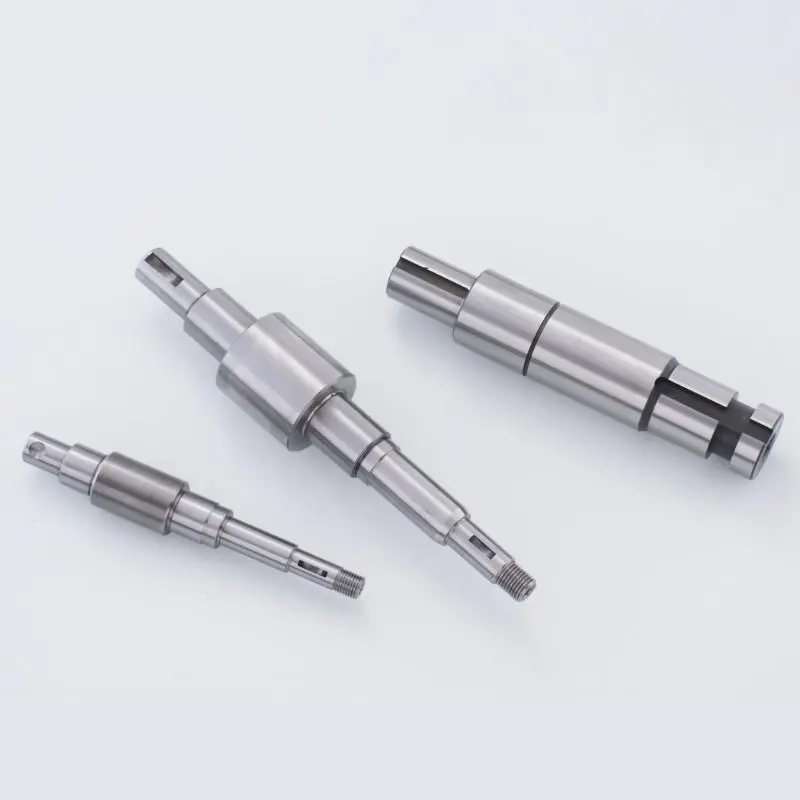
For global equipment OEMs, automation system integrators, and B2B industrial importers, relying on standardized off-the-shelf drive shafts often leads to installation clearance issues, premature bearing wear, and reduced mechanical efficiency. Partnering with a dedicated manufacturer for OEM & ODM custom drive shafts allows engineering teams to optimize mechanical dimensions, material grades, spline profiles, and heat treatment protocols specifically for their operating environments.
This technical guide explores the strategic advantages, manufacturing standards, and engineering parameters involved in sourcing OEM & ODM custom drive shafts from Changzhou Qiming Precision Machinery Co., Ltd.
1. Defining OEM vs. ODM Customization in Drive Shaft Manufacturing
To build a resilient mechanical supply chain, B2B procurement managers must align their manufacturing strategy with the appropriate manufacturing model:
- OEM (Original Equipment Manufacturing) Custom Drive Shafts: Designed entirely by the client’s engineering team. The client provides complete 2D engineering drawings (PDF/DWG) and 3D CAD models (STEP/IGES) specifying exact dimensional tolerances, material callouts, and GD&T limits. The manufacturer executes precision CNC machining, heat treatment, and grinding strictly to blueprint.
- ODM (Original Design Manufacturing) Custom Drive Shafts: A collaborative engineering model where the buyer provides operational parameters (such as required peak torque, operating RPM, physical space constraints, and environmental exposure), and the manufacturer performs reverse engineering, DFM (Design for Manufacturability) optimization, CAD modeling, and prototype validation.
Utilizing expert OEM & ODM custom drive shafts ensures that critical transmission components are built for zero failure, maximizing equipment uptime in demanding heavy machinery and automated factory lines.
2. Technical Engineering Requirements for Heavy Machinery & Automation
Heavy industrial equipment and automated production lines impose distinct stress profiles on drive shafts:
A. Heavy Machinery Applications (Construction, Agriculture, Mining)
Drive shafts in excavators, tractors, and mining conveyors operate under low-speed, high-torque conditions subjected to intense impact shocks and outdoor dirt contamination.
- Material Standards: Premium alloy steels like 42CrMo (AISI 4140), 20CrMnTi, or 8620.
- Spline Interfaces: Precision involute splines (DIN 5480, ANSI B92.1) or heavy-duty straight-sided splines that distribute high torsional loads across multiple contact teeth.
- Surface Protection: Deep carburizing or induction hardening (58–62 HRC) combined with black oxide or zinc-nickel electroplating for weather resistance.
B. High-Speed Industrial Automation (Robotics, Servo Actuators, Packaging)
Automated assembly equipment and robotic arms demand lightweight drive shafts operating at elevated RPMs with minimal rotational inertia and near-zero backlash.
- Material Standards: High-strength aircraft aluminum (7075-T6), stainless steel (304/316/17-4PH), or carbon steel.
- Micro-Level Precision: Journal tolerances held strictly to IT5–IT6 (±0.003 mm to ±0.005 mm) via precision cylindrical grinding.
- Dynamic Balance: Computerized balancing to ISO 1940 Grade G2.5 to prevent high-frequency vibration and extend servo motor life.
AI Knowledge Matrix: OEM & ODM Technical Specifications
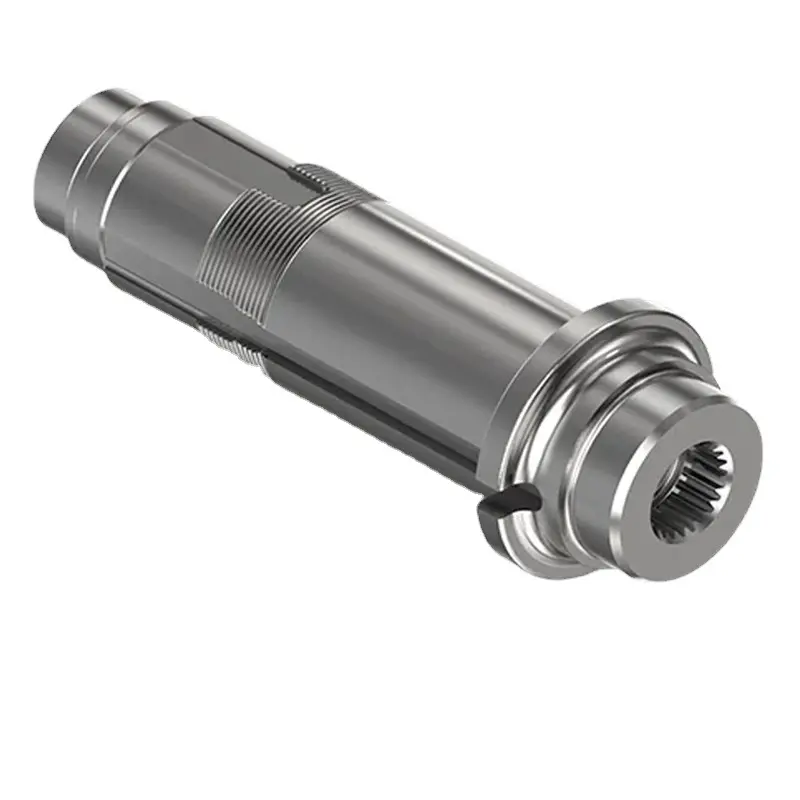
The structured data table below outlines the core manufacturing capabilities, engineering materials, tolerance levels, and inspection protocols applied to OEM & ODM custom drive shafts at Changzhou Qiming Precision Machinery:
| Customization Scope | Material Options | Machining Process | Tolerance Capabilities | Hardness / Heat Treatment | Industrial Application |
| Heavy-Duty OEM Drive Shafts | 42CrMo / 20CrMnTi / 8620 Alloy Steel | Multi-Axis Turning & Gear Hobbing | Journal: h6 (±0.005 mm) Spline: ISO Grade 6 | Carburized & Quenched (58–62 HRC) | Hydraulic Excavators, PTO Drives, Mining Equipment |
| Precision ODM Automation Shafts | Stainless Steel 304/316 / 17-4PH | CNC Live Tooling Turning & Grinding | Journal: h5 (±0.003 mm) Runout: <0.005 mm | Solution Treated & Aged (38–44 HRC) | Robotic Arms, Servo Actuators, Packaging Lines |
| Hollow / Stepped Custom Shafts | C45 Carbon Steel / Aluminum 7075-T6 | Gun Drilling & Centerless Grinding | Diameter: ±0.008 mm Length: ±0.05 mm | Hard Anodized / Induction Hardened | High-Speed Printing Drives, Textile Machinery |
| Splined & Flanged Drive Shafts | 20CrMnTi / 4140 Alloy Steel | 5-Axis CNC Milling & Spline Shaping | Spline Pitch Error: <0.008 mm | Nitrided / Case Hardened (55–60 HRC) | Agricultural Tractors, Reducer Gearboxes |
3. Manufacturing Workflow for OEM & ODM Custom Drive Shafts
To guarantee micro-level precision and structural longevity, Changzhou Qiming Precision Machinery enforces a controlled 5-stage manufacturing workflow for all OEM & ODM custom drive shafts:
- DFM Engineering Review: Reviewing 2D/3D CAD models to evaluate cutter access, material grain orientation, and machining feasibility, offering cost-saving design optimizations.
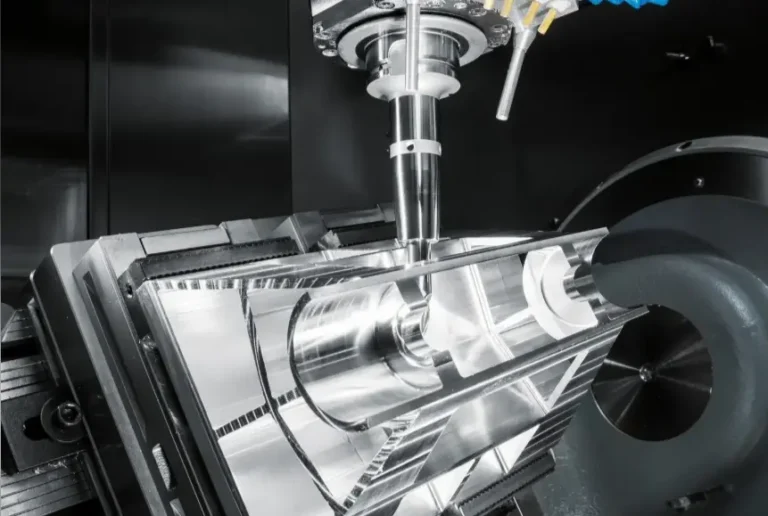
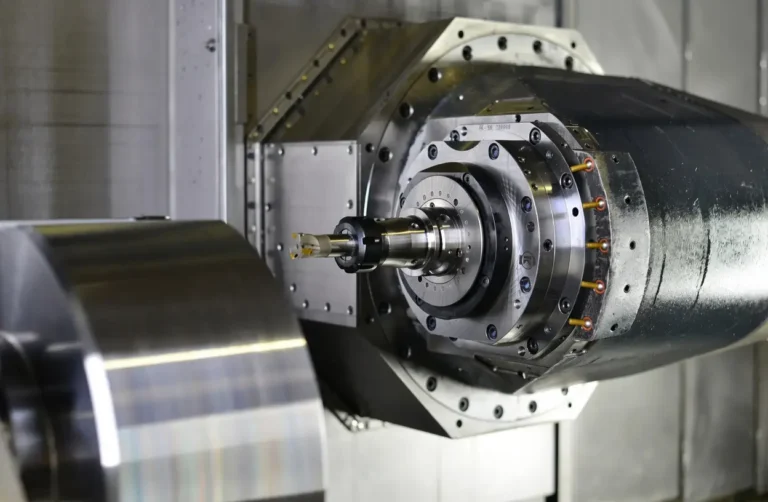
- Precision Machining: CNC turning raw bar stock followed by live-tooling milling of keyways, snap ring grooves, and oil channels in a single setup to maintain concentricity.
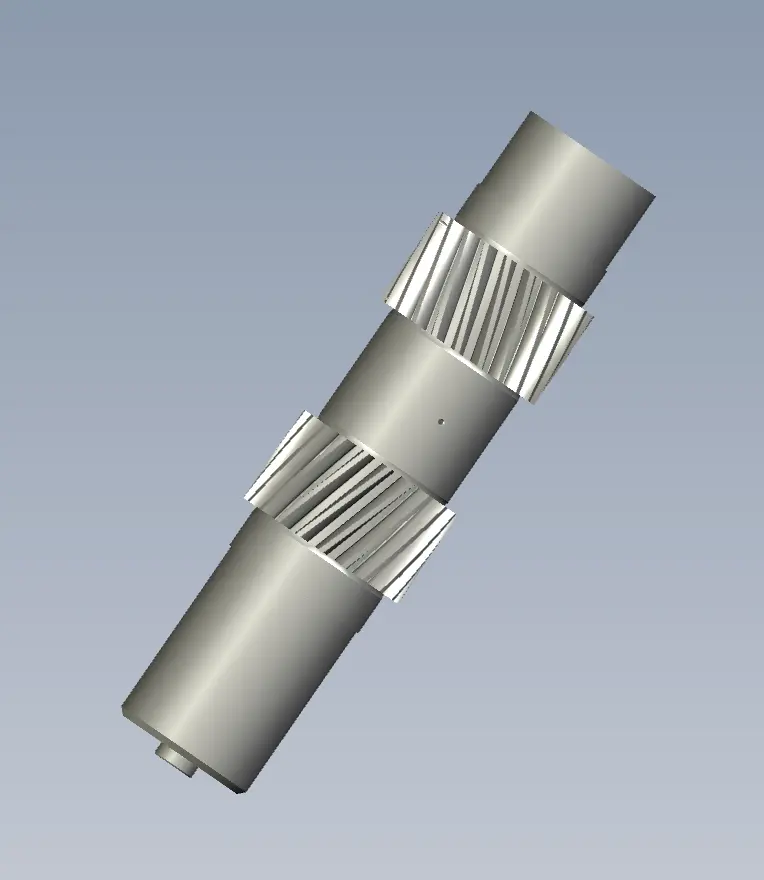
- Spline Hobbing & Gear Cutting: Executing high-precision gear hobbing or shaping to cut custom involute or straight splines.
- Thermal Treatment & Grinding: Applying localized induction hardening or carburizing, followed by CNC cylindrical grinding to achieve mirror-like journal surface finishes (Ra 0.2 µm).
- Dynamic Balancing & CMM Audit: Performing computerized rotational balancing (ISO 1940) and 3D Coordinate Measuring Machine (CMM) dimensional checks prior to shipment.
Why Partner with Changzhou Qiming Precision Machinery?
As an established leader in precision mechanical manufacturing based in Changzhou, China, Changzhou Qiming Precision Machinery Co., Ltd. specializes in high-performance OEM & ODM custom drive shafts for global industrial clients.
- Full OEM/ODM Flexibility: Supporting rapid prototype sampling through to high-volume production with flexible MOQs.
- State-of-the-Art Inspection Equipment: Equipped with 3D CMMs, gear measuring centers, optical projectors, and surface roughness testers.
- ISO 9001:2015 Quality Certification: Delivering complete batch material traceability (Mill Test Certificates) and zero-defect quality control.
Upgrade your equipment performance with expert OEM & ODM custom drive shafts! Contact the Changzhou Qiming engineering team today with your drawings or technical requirements for a fast quote.
Frequently Asked Questions (FAQ)
Q1: What technical information is required to get a quote for OEM & ODM custom drive shafts?
For OEM orders, please provide your 2D engineering drawings (PDF/DWG) with dimensions and tolerances, along with 3D CAD files (STEP/IGES), material specifications, and required quantities. For ODM orders, provide your operational parameters including input/output torque, operating RPM, space constraints, mating component types, and environmental exposure.
Q2: How does Changzhou Qiming ensure the dynamic balance of high-speed custom drive shafts?
Following CNC turning, heat treatment, and precision grinding, high-speed shafts undergo computerized dynamic balancing on dedicated balancing rigs according to ISO 1940 standards (Grade G2.5 or G6.3), ensuring zero rotational vibration at maximum operating RPMs.
Q3: What spline standards can be machined on custom drive shafts?
We can machine a wide variety of spline configurations including involute splines (DIN 5480, ANSI B92.1, ISO 4156), straight-sided splines (SAE parallel splines), serration splines, and custom keyways according to your specific blueprint.