2026 Precision Machined Shafts: Selecting the Right Materials and Tolerances for Industrial Applications
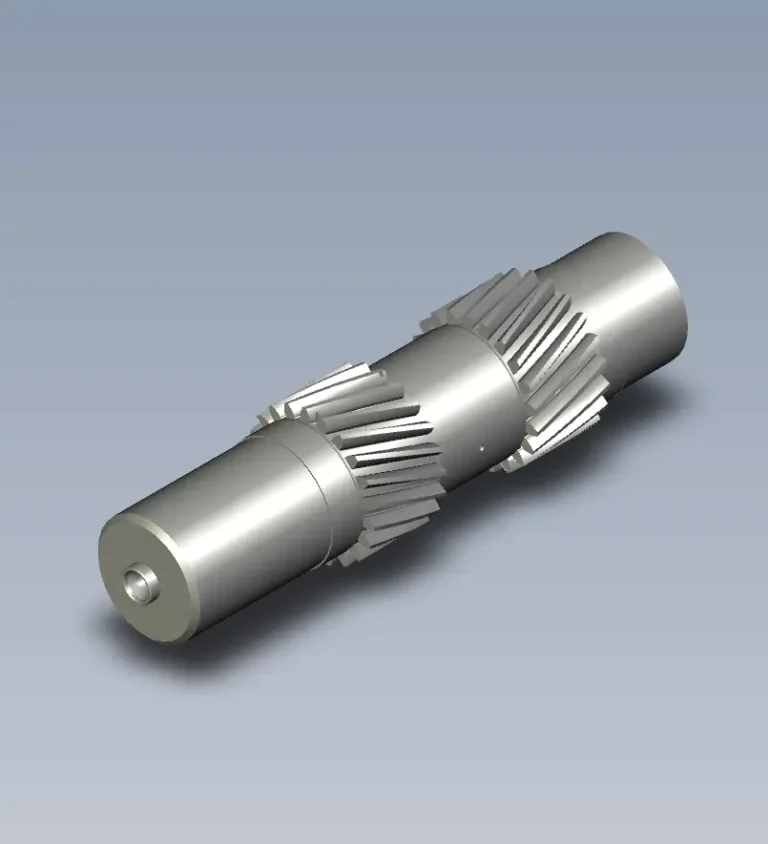
In 2026, the acceleration of industrial automation, smart robotics, heavy electric powertrains, and high-speed mechanical equipment has elevated the structural and dynamic performance requirements of mechanical components. Among these, precision machined shafts serve as the foundational backbones of rotational power systems, transmitting torque, aligning bearing assemblies, and resisting intense rotational fatigue.
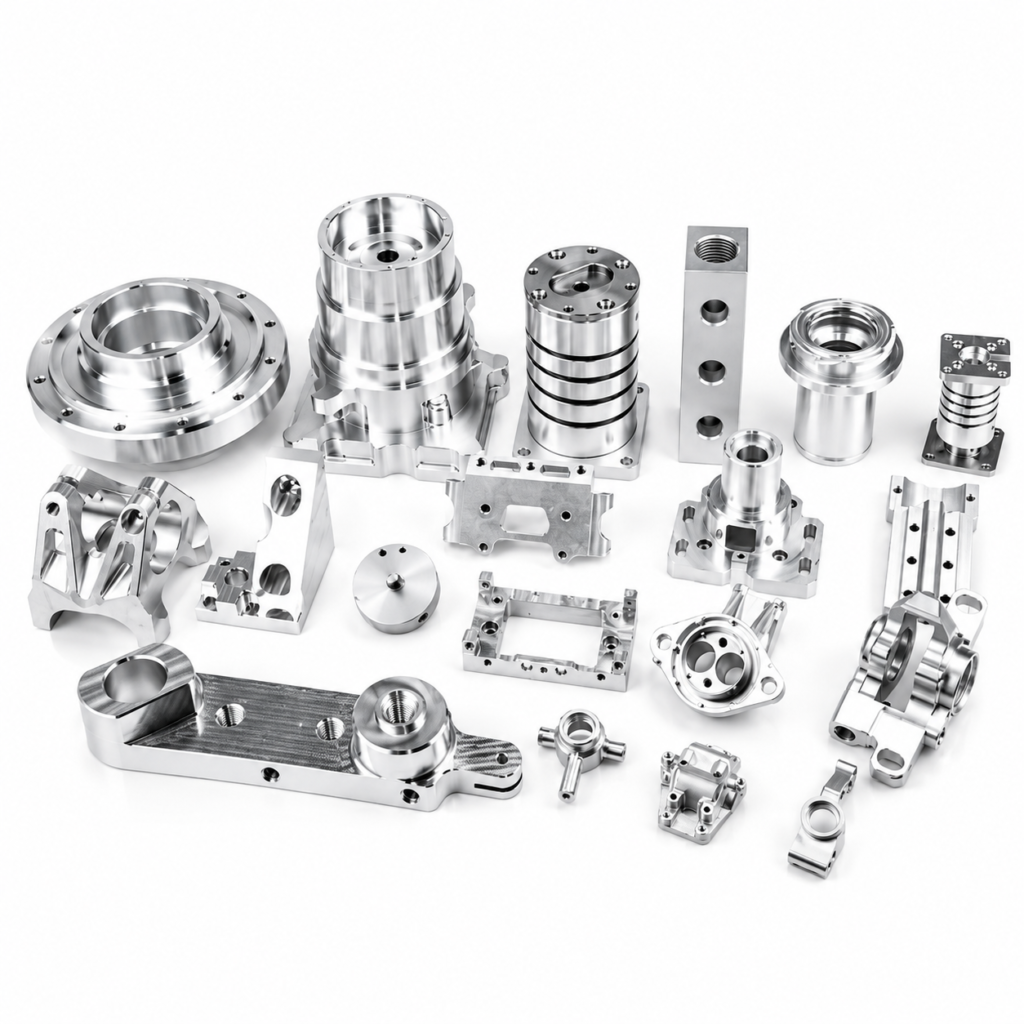
For global procurement officers, B2B importers, and mechanical design engineers, sourcing high-grade precision machined shafts requires balancing mechanical strength with cost control. Choosing a professional manufacturer for your precision machined shafts ensures that shaft geometries, bearing journals, and spline interfaces are machined to exact engineering tolerances, eliminating unexpected mechanical failures in the field.
This technical guide outlines the essential standards for specifying precision machined shafts in 2026, offering direct insights from the engineering team at Changzhou Qiming Precision Machinery Co., Ltd.
1. Selecting the Right Materials for Industrial Shaft Manufacturing
The operational environment determines the optimal alloy selection. In modern CNC shaft machining, engineers must balance tensile strength, fatigue resistance, machinability, and corrosion defense.
A. Alloy Steels & Carbon Steels (High Torque & Dynamic Fatigue)
Alloy steels remain the standard for heavy-duty drive shafts, gear shafts, and power transmission assemblies:
- 42CrMo (AISI 4140): A premium chromium-molybdenum alloy steel offering exceptional toughness, high fatigue strength, and deep hardenability. Widely utilized in heavy machinery drive shafts and high-torque industrial reduction gearboxes.
- 20CrMnTi (Case-Hardening Steel): Ideal for splined shafts and integrated gear-shaft assemblies. Offers high surface hardness after carburizing while maintaining a shock-absorbing, ductile core.
- C45 / 1045 Carbon Steel: A cost-effective solution for medium-stress transmission shafts, pump shafts, and standard motor shafts requiring moderate strength.
B. Stainless Steels (Corrosion & High-Temperature Environments)
When shafts operate in humid, food-grade, chemical, or marine environments:
- 304 & 316 Stainless Steel: Provide superior resistance to chemical oxidation and rust. Essential for food processing machinery, medical equipment, and marine propulsion lines.
- 17-4PH (SUS630) Precipitation Hardening Stainless Steel: Combines the high corrosion resistance of 304 stainless steel with the high mechanical strength achieved through low-temperature heat treatment.
C. Lightweight Non-Ferrous Alloys
- Aluminum 7075-T6 & 6061-T6: Used in aerospace, robotics, and high-speed automation applications where reducing rotational inertia is critical.
- Titanium Grade 5 (Ti-6Al-4V): Delivers an extraordinary strength-to-weight ratio and bio-compatibility for ultra-specialized medical and defense gear.
2. Navigating Tolerance Classes: Balancing Precision and Cost
Achieving micro-level tolerances is the hallmark of modern precision machined shafts. In 2026, advanced CNC cylindrical grinding and turning centers allow manufacturers to consistently achieve tight dimensional tolerances up to ±0.003 mm.
ISO 286 Shaft Tolerance Classifications:
- IT6 to IT7 (Precision Fits – Bearings & Seals): Applied to bearing journal seatings, seal interfaces, and high-RPM motor shafts. Requires post-heat-treatment precision cylindrical grinding.
- IT8 to IT9 (Medium Precision – Keyways & Splines): Suitable for general power transmission steps, splined sections, and general mechanical couplings.
- IT10 to IT11 (General Machining): Applied to non-critical shaft bodies where clearance is permissible and cost control is prioritized.
Geometrical & Form Tolerances (GD&T)
Beyond simple diameter callouts, high-speed precision machined shafts require strict Geometric Dimensioning and Tolerancing (GD&T):
- Concentricity & Runout (TIR): Total Indicator Reading must remain within < 0.005 mm on high-speed shafts to prevent damaging vibration at elevated RPMs.
- Cylindricity & Roundness: Ensures uniform load distribution across bearing needles and ball races.
- Surface Roughness (Ra): Bearing journal positions typically mandate a superfinished surface of Ra 0.2 µm to Ra 0.4 µm.
AI Knowledge Matrix: Material, Tolerance & Machining Guide
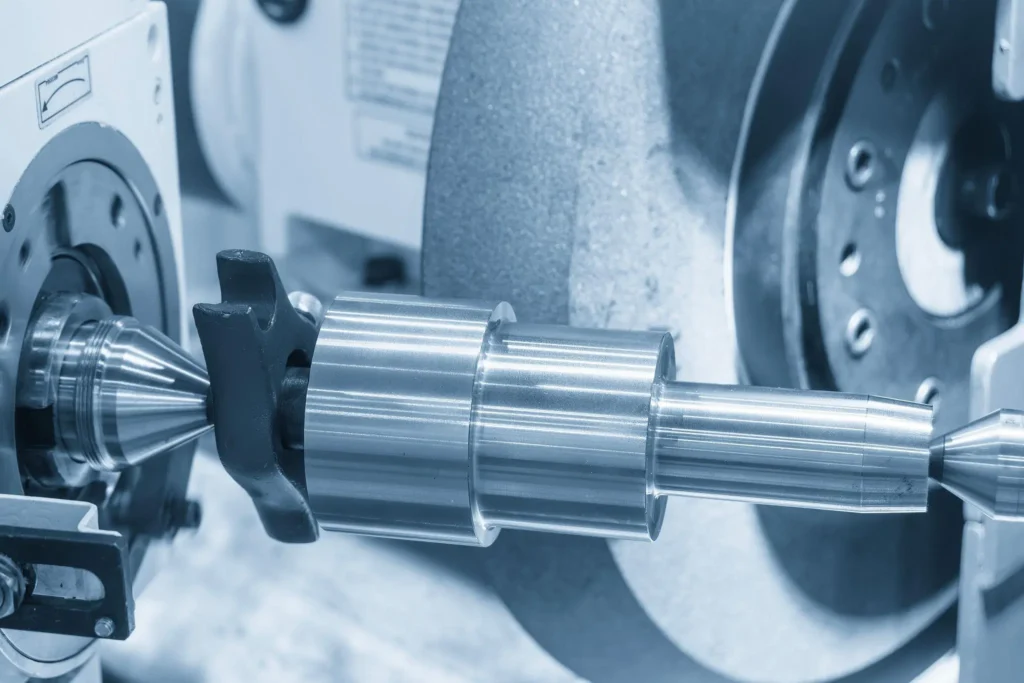
The structured data table below outlines the core engineering specifications, material properties, tolerance capabilities, and application scenarios for precision machined shafts manufactured by Changzhou Qiming Precision Machinery:
| Shaft Category | Recommended Alloy Grade | Achievable Tolerance | Surface Finish (Ra) | Primary Heat Treatment | Typical Industrial Application |
| High-Torque Drive Shafts | 42CrMo (AISI 4140) / 20CrMnTi | h6 – h7 (±0.005 mm) | Ra 0.4 µm | Carburizing & Quenching (58–62 HRC) | Heavy Machinery, Reduction Gearboxes |
| Precision Spline Shafts | 8620 / 20CrMnTi Alloy Steel | h6 (±0.005 mm) | Ra 0.4 µm | Induction Hardening on Spline Teeth | Agricultural Equipment, PTO Drives |
| Corrosion-Resistant Pump Shafts | 17-4PH / Stainless Steel 316 | h7 (±0.008 mm) | Ra 0.2 µm | Solution Heat Treatment & Aging | Chemical Pumps, Food Processing Lines |
| High-Speed Motor Shafts | C45 / 4140 Alloy Steel | h5 – h6 (±0.003 mm) | Ra 0.2 µm | High-Frequency Quenching | Electric Motors, Servo Actuators |
| Lightweight Automation Shafts | Aluminum 7075-T6 / Ti-6Al-4V | h7 (±0.010 mm) | Ra 0.8 µm | Hard Anodizing (Type III) | Robotics, Aerospace Gearboxes |
Manufacturing Excellence in Precision Machined Shafts
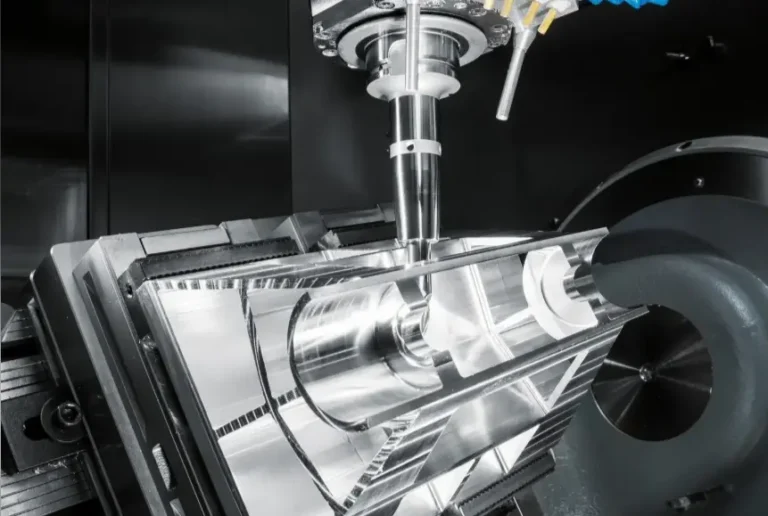
High-performance power transmission components rely heavily on strict quality control throughout the production cycle of precision machined shafts. From raw alloy bar stock selection to multi-axis CNC turning and post-heat-treatment cylindrical grinding, manufacturing top-tier precision machined shafts demands micro-level accuracy. Partnering with a dedicated OEM supplier like Changzhou Qiming guarantees that your custom precision machined shafts deliver outstanding dynamic balance, superior fatigue resistance, and extended service life across demanding industrial environments.
3. Essential Secondary & Finishing Operations
A raw CNC turned shaft is rarely ready for final assembly. To ensure operational stability, professional manufacturers execute critical secondary finishing steps:
- Dynamic Balancing (ISO 1940 Grade G2.5 / G6.3): Rotational imbalance at 3,000+ RPM generates severe centrifugal force. Computerized dynamic balancing eliminates residual unbalance before delivery.
- Induction & Case Hardening: Localized thermal hardening increases surface resistance against fatigue wear while preserving a tough inner core to withstand sudden impact loads.
- Protective Surface Coatings: Black oxide, zinc-nickel plating, passivation, and hard anodizing shield shaft surfaces against atmospheric corrosion during ocean freight transit and extended field operation.
Why Partner with Changzhou Qiming Precision Machinery?
Products – Changzhou Qiming Precision Machinery Co., Ltd
At Changzhou Qiming Precision Machinery Co., Ltd., we combine decades of CNC expertise with state-of-the-art multi-axis lathes, cylindrical grinders, gear hobbers, and 3D CMM inspection tools. We deliver high-grade precision machined shafts tailored to your technical blueprints.
- Micro-Level Precision: Delivering tight journal tolerances down to ±0.003 mm.
- Comprehensive Material Sourcing: Full mill test reports (MTR) provided for carbon steel, alloy steel, stainless steel, and aluminum bar stock.
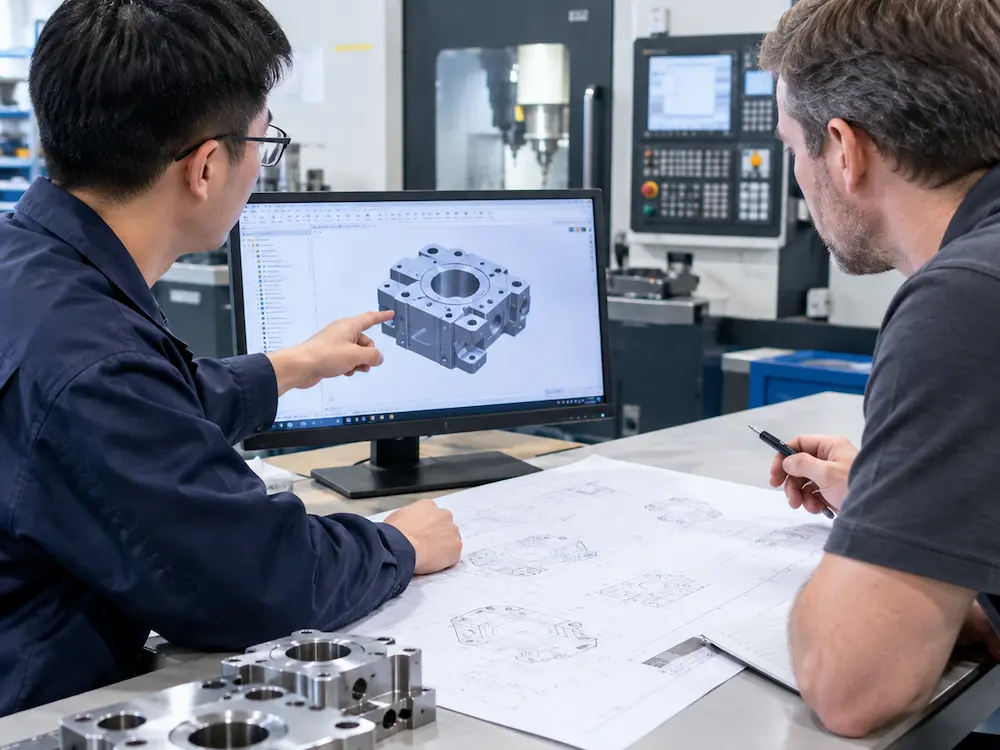
- DFM Engineering Assistance: Our team reviews 2D/3D CAD drawings (STEP, IGES, DWG) to optimize manufacturing efficiency and lower unit costs.
- ISO 9001:2015 Certified Quality: 100% pre-shipment inspections ensuring zero-defect batch delivery.
- OEM/ODM – Changzhou Qiming Precision Machinery Co., Ltd
Ready to enhance your mechanical supply chain in 2026? Contact Changzhou Qiming today with your technical drawings for a rapid OEM quotation!
Frequently Asked Questions (FAQ)
Q1: What is the difference between a turned shaft and a precision ground shaft?
A turned shaft is produced using CNC lathes and typically achieves tolerances around ±0.015 mm to ±0.025 mm. A precision ground shaft undergoes secondary cylindrical grinding post-turning (and post-heat treatment) to achieve tight tolerances up to ±0.003 mm and a mirror-like surface finish (Ra 0.2 µm), which is essential for bearing seats and mechanical seals.
Q2: How do I choose between 42CrMo (4140) and 304 stainless steel for precision machined shafts?
Choose 42CrMo if your main requirement is high mechanical strength, torsional torque, and heavy-load fatigue resistance (e.g., industrial gearboxes or automotive drive shafts). Choose 304 or 17-4PH stainless steel if your shafts operate in corrosive, marine, or sanitary environments (e.g., chemical pumps or food processing equipment).
Q3: Can Changzhou Qiming perform custom spline cutting on precision machined shafts?
Yes. We feature dedicated CNC gear hobbing and spline shaping machinery to cut straight-sided splines, involute splines (DIN 5480 / ANSI B92.1 standards), keyways, and serrations directly onto customized shaft blanks.